
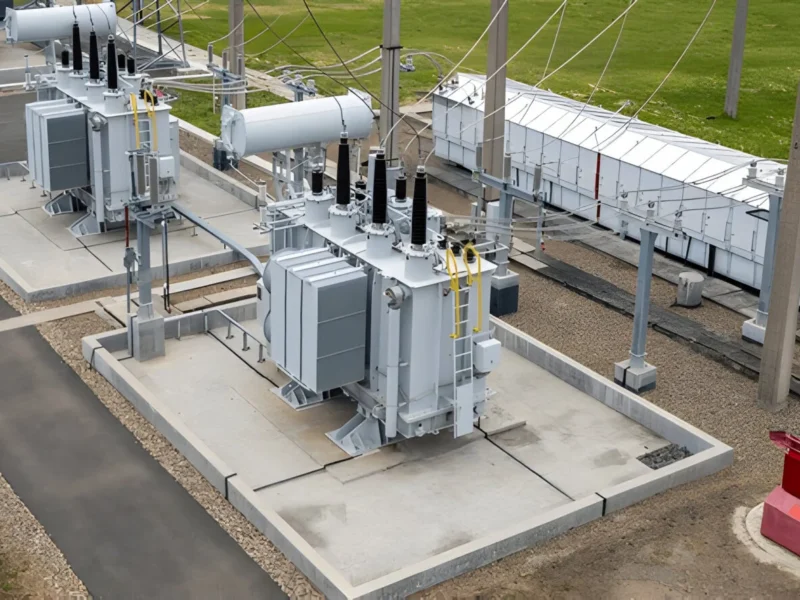
When sourcing power transformers, the technical specifications list can feel like a maze of codes. Among the most critical—yet often debated—is the insulation class, or heat resistance level. At first glance, the choice seems simple: higher is better, right? But as a manufacturer, we know the “best” choice is the one that balances engineering limits with long-term ROI.
Let’s break down why heat resistance is the silent heartbeat of your electrical infrastructure.
The Science Behind the Degrees
In the world of transformers, heat is the ultimate enemy. The insulation class (ranging from A, E, and B to F and H) dictates the maximum temperature the materials can handle before they begin to degrade.
To put it in perspective:
- Class A: Limits you to a maximum of 105°C.
- Class H: The heavyweight champion, capable of enduring up to 180°C.
Choosing a higher class doesn’t just mean the unit can “run hot.” It means the insulation—the very thing protecting your coils from catastrophic failure—is built to withstand thermal stress that would melt lower-tier alternatives.
Why Investing in High Heat Resistance (Class H) Wins
While the initial price tag of an H-class transformer is higher due to the premium materials involved, the “total cost of ownership” tells a different story.
1. The Longevity Factor
Every 10°C increase in operating temperature over a material’s limit can effectively halve the lifespan of your transformer. High-grade insulation slows down the chemical aging process, ensuring your investment stays in the field for decades rather than years.
2. Reliability Under Pressure
Power grids aren’t static. Between seasonal spikes and unexpected overloads, your equipment will be pushed to its limits. High heat resistance provides a “safety buffer,” allowing the transformer to handle surges without compromising its internal integrity.
3. Environmental Adaptability
Whether your project is located in a high-temperature tropical zone or a cramped industrial facility with poor ventilation, H-class transformers are built for the struggle. They thrive where standard units would fail.
The Bottom Line: Economic vs. Technical Reality
It is true that higher heat resistance means higher production costs. However, we encourage our clients to look beyond the invoice. When you factor in the reduced frequency of maintenance, the avoidance of costly downtime, and the sheer stability of the power system, high-insulation transformers are actually the more economical choice for modern infrastructure.
At our facility, we don’t just build transformers; we build peace of mind. By prioritizing high-grade insulation, we ensure that our products aren’t just “good enough” for today, but are resilient enough for the demands of tomorrow.