
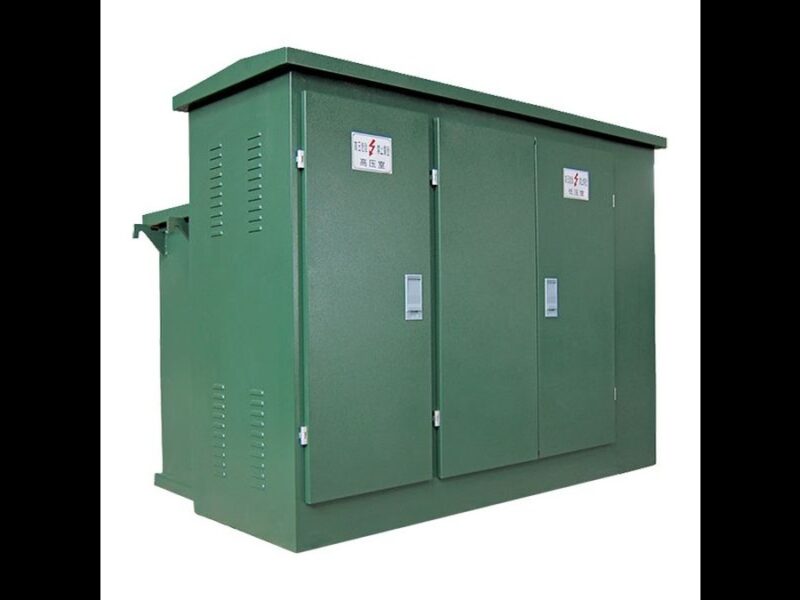
In the world of electrical power distribution, the substation serves as the critical link between high-voltage transmission networks and the lower-voltage systems that deliver electricity to industrial, commercial, and residential end-users. Whether you are planning a new facility, upgrading an existing grid, or expanding a renewable energy project, understanding the role, types, and specifications of substations is essential. This guide provides an authoritative overview of substations, with a focus on choosing the right substation manufacturer, supplier, and factory for your needs.
What is a Substation?
A substation is an assembly of electrical equipment that transforms voltage levels, switches circuits, and protects the power system. It is the heart of any electrical distribution network, ensuring that power flows safely and reliably from generation sources to consumers. Substations come in various sizes and configurations, from small pad-mounted units to large utility-grade facilities. They can be indoor or outdoor, and they may be custom-engineered or standardized.
The primary functions of a substation include:
- Voltage transformation: Step up or step down voltage using power transformers.
- Switching: Connect and disconnect circuits to reroute power or isolate faults.
- Protection: Use circuit breakers, fuses, and relays to safeguard equipment and personnel.
- Monitoring and control: Measure voltage, current, and other parameters to ensure stable operation.
Types of Substations
Substations can be classified based on their function, construction, or location. For industrial and commercial applications, two popular types are the ZGS Combined Substation and the YB Prefabricated Substation. These are compact, factory-assembled units that simplify installation and reduce on-site construction time.
ZGS Combined Substation
The ZGS Combined Substation, also known as a compact substation, integrates a high-voltage switchgear, a distribution transformer, and low-voltage switchgear into a single enclosure. This design is ideal for urban areas, residential complexes, and small industrial sites where space is limited. The ZGS substation is fully enclosed, weatherproof, and can be installed on a concrete pad with minimal civil works. It offers a high degree of safety and reliability, with features such as SF6-insulated switchgear and oil-immersed transformers.
YB Prefabricated Substation
The YB Prefabricated Substation is a pre-engineered, factory-built unit that is transported to the site and installed as a complete system. It is suitable for a wide range of applications, including wind farms, solar plants, and distribution networks. The YB substation can be customized to meet specific voltage and capacity requirements, and it offers quick installation, low maintenance, and excellent protection against environmental factors. Its modular construction allows for easy expansion or relocation.
Both the ZGS and YB substations are available from leading substation manufacturers and suppliers, who can provide detailed specifications and engineering support.
Key Components of a Substation
Understanding the components of a substation is crucial for specifying the correct equipment and ensuring reliable operation. The main components include:
- Power Transformer: The core component that changes voltage levels.
- Switchgear: Includes circuit breakers, disconnectors, and contactors to control power flow.
- Busbars: Conductors that distribute power to multiple circuits.
- Protection Relays: Detect abnormal conditions and initiate circuit isolation.
- Metering and Instrumentation: Measure voltage, current, and power quality.
- Control and Communication Systems: Enable remote monitoring and automation.
- Enclosure and Foundation: Protect equipment and provide structural support.
Each component must be selected based on the substation specification, which includes voltage rating, capacity, fault level, and environmental conditions. A reliable substation manufacturer will offer guidance on the best configuration for your project.
Why Choose a Reliable Substation Manufacturer?
Selecting the right substation manufacturer is a decision that impacts safety, performance, and long-term operational costs. A reputable manufacturer will have:
- Experience and expertise: A proven track record in designing and building substations for various industries.
- Compliance with standards: Products that meet international and national standards (IEC, ANSI, GB, etc.).
- Customization capabilities: Ability to tailor the substation to your specific requirements.
- Quality assurance: Rigorous testing and quality control processes.
- After-sales support: Warranty, maintenance, and spare parts availability.
When you buy from a substation factory directly, you often get better pricing, faster lead times, and more direct communication. Many factories also offer OEM services for distributors and wholesalers.
Substation Specification: What to Consider
Writing a clear and detailed substation specification is essential for obtaining accurate quotes and ensuring the final product meets your needs. Key parameters to define include:
- Primary and secondary voltage levels: For example, 33 kV / 0.4 kV.
- Rated power capacity: In kVA or MVA.
- Frequency: Usually 50 Hz or 60 Hz.
- Short-circuit withstand rating: The maximum fault current the substation can handle.
- Environmental conditions: Temperature range, humidity, altitude, and pollution level.
- Cooling method: ONAN, ONAF, or forced cooling.
- Enclosure type: Indoor or outdoor, material (e.g., steel, concrete), and ingress protection (IP rating).
- Protection and control requirements: Relay types, communication protocols, and automation features.
- Noise level: For urban installations, noise constraints may apply.
Providing these details to a substation supplier will help them propose the most suitable solution and ensure that the substation operates efficiently and safely.
Substation Wholesale and Procurement
For large projects, buying substations wholesale from a factory or authorized distributor can result in significant cost savings. Wholesale procurement is common for utility companies, EPC contractors, and large industrial developers who need multiple units or a long-term supply agreement. When negotiating wholesale contracts, consider factors such as:
- Volume discounts: Lower unit prices for larger orders.
- Lead times: Production and delivery schedules.
- Payment terms: Advances, milestones, and letters of credit.
- Logistics: Shipping, customs, and on-site delivery.
- Technical support: Installation supervision and training.
Working directly with a substation factory can also allow for custom modifications and branding, which is beneficial for OEM partnerships.
The Role of Substation Suppliers in Project Success
A substation supplier is more than just a vendor; they are a partner in your project. A good supplier will:
- Provide pre-sales technical consultation and design support.
- Conduct site surveys and recommend the best substation type.
- Offer competitive pricing and transparent quotations.
- Ensure timely delivery and proper packaging.
- Provide installation, commissioning, and after-sales service.
Whether you are an engineer specifying equipment, a procurement manager sourcing materials, or a project owner looking for turnkey solutions, a reputable substation supplier can make all the difference.
Installation and Maintenance Best Practices
Proper installation and maintenance are critical for the longevity and reliability of any substation. Here are some best practices:
- Site preparation: Ensure a level, stable foundation with proper drainage.
- Clearances and safety: Maintain adequate electrical clearances and install warning signs.
- Earthing and lightning protection: Install a robust grounding system and surge arresters.
- Ventilation and cooling: Ensure adequate airflow to prevent overheating.
- Regular inspections: Check for oil leaks, corrosion, and loose connections.
- Testing: Perform periodic insulation resistance and power factor tests on transformers.
- Spare parts management: Keep critical spares like fuses, relays, and bushings in stock.
Following these practices will help you avoid unplanned downtime and extend the life of your substation.
Future Trends in Substation Technology
The power distribution industry is evolving rapidly, and substations are becoming smarter and more efficient. Key trends include:
- Digital substations: Using fiber-optic sensors and intelligent electronic devices for monitoring and control.
- Eco-friendly insulation: Replacing SF6 gas with environmentally friendly alternatives.
- Renewable integration: Substations designed for solar and wind power with grid-connection capabilities.
- Energy storage: Incorporating battery systems for peak shaving and backup power.
- Remote monitoring: IoT-enabled substations with real-time data analytics.
Choosing a forward-thinking substation manufacturer ensures that your investment is future-proof and aligned with industry advancements.
Conclusion
Substations are indispensable for safe and efficient power distribution. Whether you need a ZGS Combined Substation for a compact urban installation or a YB Prefabricated Substation for a large renewable project, partnering with the right substation manufacturer, supplier, or factory is crucial. By understanding the types, specifications, and procurement options, you can make informed decisions that enhance the reliability of your electrical infrastructure.
At FIJ TECH, we are committed to providing high-quality substations that meet the most demanding requirements. Our team of experts is ready to assist you with product selection, customization, and technical support. Contact us today to discuss your project and discover how our solutions can power your success.
To learn more about our Substation solutions, explore our full products overview or visit the FIJ TECH homepage.