
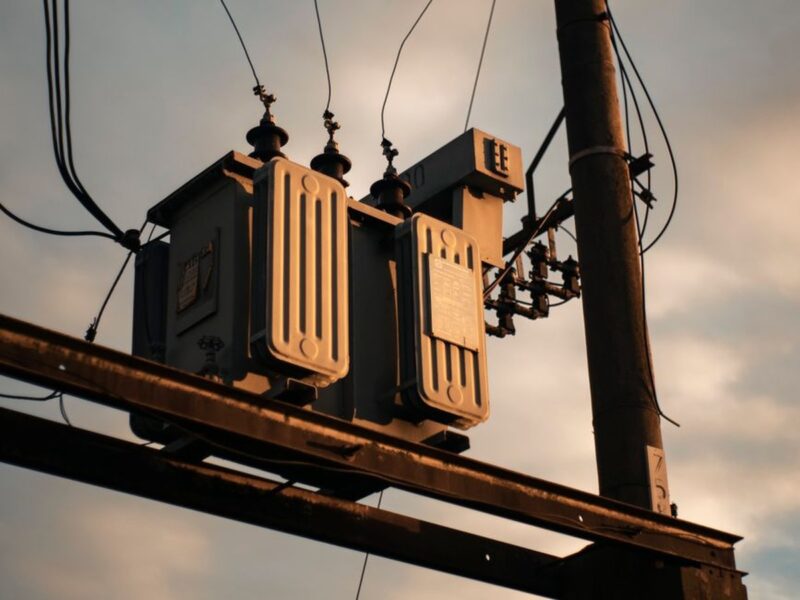
Oil transformers are the backbone of electrical power distribution systems, providing reliable voltage transformation and insulation in a wide range of industrial and utility applications. Whether you are an engineer specifying equipment for a new facility or a procurement professional seeking a dependable supplier, understanding the nuances of oil-immersed transformers is essential. This comprehensive guide covers the fundamentals, key specifications, and selection criteria to help you make an informed decision.
What is an Oil Transformer?
An oil transformer, also known as an oil-immersed transformer, uses mineral oil or synthetic ester as a dielectric coolant and insulating medium. The oil serves two primary purposes: it dissipates heat generated by the core and windings, and it provides electrical insulation between live parts and the grounded tank. This design allows for higher efficiency and better thermal performance compared to dry-type transformers, making oil transformers the preferred choice for high-voltage and high-capacity applications.
Key Components and Working Principle
An oil transformer consists of a magnetic core, primary and secondary windings, an insulating oil, a tank, and various auxiliary components such as bushings, tap changers, and cooling radiators. The core is typically made of high-grade silicon steel or amorphous alloy to minimize losses. When alternating current flows through the primary winding, it creates a magnetic flux that induces voltage in the secondary winding, thereby stepping up or stepping down voltage levels. The oil circulates through the tank and radiators, transferring heat to the surrounding air.
Types of Oil Transformers
Oil transformers come in various configurations to meet different operational demands. Here are some common types:
- Distribution Transformers: Typically rated up to 33kV, these are used for local distribution networks to step down voltage for residential and commercial use.
- Power Transformers: Designed for high-voltage transmission networks (e.g., 35kV and above), they handle large power loads and are optimized for maximum efficiency.
- Amorphous Alloy Transformers: These use an amorphous metal core, which significantly reduces no-load losses, making them ideal for energy-conscious applications.
- Pad-Mounted Transformers: Enclosed in a tamper-proof cabinet, these are used in outdoor applications where space is limited.
- Substation Transformers: Custom-built for utility substations, often with advanced cooling systems and monitoring capabilities.
Key Specifications to Consider
When evaluating an oil transformer, several specifications determine its suitability for your project. Here are the critical ones:
- Rated Power (kVA/MVA): The continuous power output the transformer can deliver without exceeding temperature limits.
- Voltage Ratio: The primary and secondary voltage levels, such as 35kV/0.4kV for distribution applications.
- Impedance Voltage: The percentage of voltage drop at full load, which affects short-circuit currents and system protection.
- No-Load Loss and Load Loss: Energy losses that impact operating costs and efficiency. Lower losses are preferable for long-term savings.
- Cooling Method: Common types include ONAN (Oil Natural Air Natural) and ONAF (Oil Natural Air Forced). The cooling method affects the transformer’s capacity and lifespan.
- Insulation Level: The dielectric strength of the insulation system, crucial for high-voltage applications.
- Standards Compliance: Ensure the transformer meets international standards such as IEC 60076, ANSI/IEEE C57, or GB standards (for China).
Energy Efficiency and Environmental Impact
Energy efficiency is a major consideration in modern transformer design. Traditional silicon steel cores have inherent losses, but advancements in materials have led to the development of amorphous alloy cores that reduce no-load losses by up to 70%. For example, the SH15 Amorphous Alloy Oil Immersed Power Transformer exemplifies this technology, offering exceptional efficiency and lower carbon footprint. Similarly, the S20 and S22 series transformers meet stringent energy efficiency standards, such as Energy Efficiency Stage 2 and higher, helping businesses reduce operational costs and meet regulatory requirements.
Applications of Oil Transformers
Oil transformers are used across a wide range of industries and infrastructures:
- Power Generation Plants: Step-up transformers for transmitting generated power to the grid.
- Industrial Facilities: Reliable power distribution for manufacturing plants, mines, and processing units.
- Commercial Buildings: Step-down transformers for safe voltage levels in offices, malls, and hospitals.
- Renewable Energy Systems: Integration of solar and wind power into the electrical grid.
- Utility Substations: Voltage regulation and distribution across regions.
Advantages of Choosing an Oil Transformer
There are several reasons why oil-immersed transformers remain the industry standard:
- Superior Cooling: Oil’s high thermal capacity allows for efficient heat dissipation, enabling higher power ratings in a smaller footprint.
- High Dielectric Strength: Oil provides excellent insulation, reducing the risk of electrical breakdown.
- Long Service Life: With proper maintenance, oil transformers can operate for 30+ years.
- Cost-Effectiveness: Lower material costs and higher efficiency result in a favorable total cost of ownership.
- Quiet Operation: Oil dampens vibration and noise, making them suitable for urban environments.
Selecting the Right Oil Transformer Manufacturer
Choosing a reliable oil transformer manufacturer is critical to ensure quality, performance, and after-sales support. Here are key factors to evaluate:
- Experience and Reputation: Look for a manufacturer with a proven track record in producing transformers for similar applications.
- Certifications: Ensure the factory holds ISO 9001, ISO 14001, and product-specific certifications like KEMA or CE.
- Customization Capabilities: The ability to tailor transformers to specific voltage, impedance, and cooling requirements is a plus.
- Testing Facilities: A reputable manufacturer conducts routine and type tests to verify performance.
- Global Supply Chain: If you need oil transformer wholesale, a supplier with a robust logistics network ensures timely delivery.
FIJ TECH: Your Trusted Oil Transformer Supplier
At FIJ TECH, we specialize in the design and manufacture of high-quality oil-immersed transformers. Our product lineup includes the S13 Series 3 Phase Oil-Immersed Power Transformer, the S20 Energy Efficiency Stage 2 Oil-Immersed Transformer, and the S22 Type Energy Efficiency Primary Oil Immersed Transformer. We also offer the SH15 Amorphous Alloy Oil Immersed Power Transformer, which sets the benchmark for energy-saving performance. As a dedicated oil transformer factory, we combine advanced manufacturing processes with rigorous quality control to deliver products that meet international standards.
Oil Transformer Wholesale and Global Distribution
For large-scale projects, partnering with an oil transformer supplier that offers wholesale options can lead to significant cost savings. FIJ TECH provides competitive pricing for bulk orders without compromising on quality. Our global distribution network ensures that transformers reach your site safely and on schedule. Whether you need a single unit or hundreds, we have the capacity to fulfill your requirements.
Understanding Oil Transformer Specifications
To select the right transformer, you must interpret the specifications sheet accurately. Here are typical parameters:
- Rated Voltage Ratio: Example: 35kV / 0.4kV
- Rated Capacity: Example: 1000 kVA
- Vector Group: Example: Dyn11 (common for distribution)
- Tap Range: Example: ±2×2.5%
- Short-Circuit Impedance: Example: 6%
- Cooling Type: ONAN or ONAF
Installation and Maintenance Best Practices
Proper installation and maintenance are essential to maximize the lifespan of an oil transformer. Here are some best practices:
- Site Preparation: Ensure a stable foundation and adequate ventilation.
- Oil Quality: Regularly test the oil for moisture, acidity, and dielectric strength.
- Thermal Monitoring: Use temperature sensors to track winding and oil temperatures.
- Protective Devices: Install Buchholz relays, pressure relief devices, and overcurrent protection.
- Periodic Inspections: Schedule visual inspections and routine maintenance per manufacturer guidelines.
Future Trends in Oil Transformer Technology
The industry is evolving with a focus on sustainability and smart grid integration. Innovations include:
- Bio-Based Insulating Oils: Renewable esters with higher fire points and biodegradability.
- Digital Monitoring: IoT-enabled sensors for real-time health assessment.
- Higher Efficiency Standards: Continuous improvement in core materials to reduce losses further.
Conclusion
Oil transformers remain a critical component in electrical infrastructure, offering reliability, efficiency, and cost-effectiveness. By understanding the types, specifications, and selection criteria, you can choose the right transformer for your application. As a leading oil transformer manufacturer and supplier, FIJ TECH is committed to providing high-quality, energy-efficient solutions to meet your power distribution needs. Contact us today to discuss your project requirements and receive a competitive quote.
To learn more about our Oil Transformer solutions, explore our full products overview or visit the FIJ TECH homepage.