
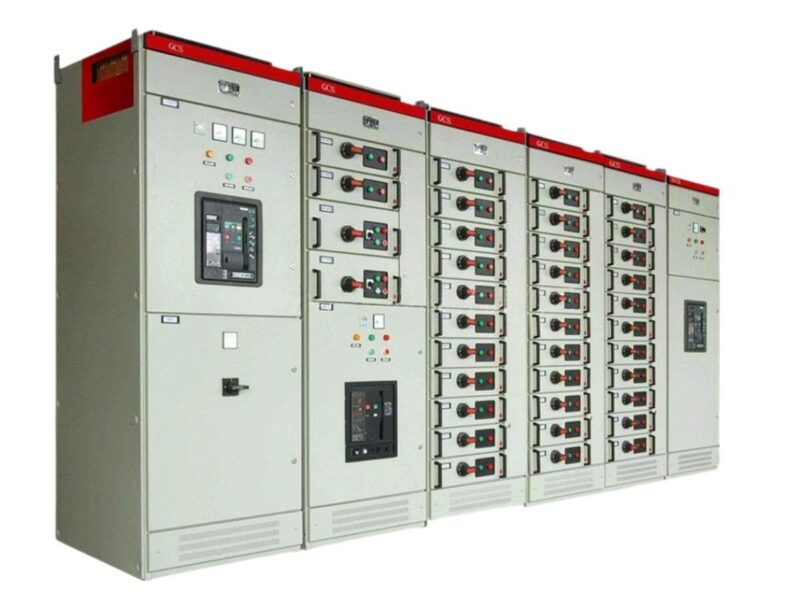
In the complex world of electrical power distribution, few components are as critical as switchgear. Whether you are designing a new industrial facility, upgrading a commercial building, or managing a utility network, the reliability and safety of your entire electrical system hinge on the quality of this equipment. Choosing the right switchgear—and the right switchgear manufacturer—can mean the difference between seamless operations and costly downtime. This article explores the fundamentals of switchgear, its types, specifications, and what to consider when sourcing from a switchgear supplier or factory.
What Is Switchgear?
Switchgear encompasses a range of electrical disconnect switches, fuses, and circuit breakers used to control, protect, and isolate electrical equipment. Its primary purpose is to ensure the safety of personnel and equipment by allowing circuits to be energized or de-energized for maintenance, and to automatically de-energize faulty sections during overloads or short circuits. From low-voltage distribution boards to high-voltage substations, switchgear is the silent guardian of electrical systems.
In modern power networks, switchgear also plays a vital role in monitoring and controlling power flow, making it an integral part of smart grid solutions. As industries evolve and energy demands increase, the need for advanced, reliable switchgear has never been greater.
Types of Switchgear
Switchgear is broadly categorized by voltage class and construction. Understanding these categories helps engineers and procurement specialists select the right equipment for their specific application.
Low-Voltage Switchgear (Below 1 kV)
Low-voltage switchgear is commonly used in commercial and industrial facilities for final distribution. It includes components like molded case circuit breakers, air circuit breakers, and low-voltage power distribution cabinets. Products such as the MNS Low-Voltage Drawout Switchgear and the GCS Low Voltage Drawout Switchgear are excellent examples of modular, low-voltage solutions that offer flexibility and safety. The GGD Low Voltage Distribution Cabinet is another popular choice for fixed-mounted applications, providing robust performance in a cost-effective package.
Medium-Voltage Switchgear (1 kV to 36 kV)
Medium-voltage switchgear is used in utility substations, large industrial plants, and commercial complexes. It is designed to handle higher currents and voltages, and often incorporates advanced protection relays. The KYN28A-12 Indoor Metal-Clad Central Position Switchgear is a typical example of medium-voltage switchgear, offering a compact, metal-clad design that ensures high reliability and safety. Similarly, the XGN15-12 AC Metal-Enclosed Ring Network Switchgear is widely used for ring main units in distribution networks, providing a cost-effective and space-saving solution.
Key Specifications to Consider
When evaluating switchgear, several technical specifications determine its suitability for a given application. Here are the most critical ones:
- Rated Voltage: The maximum voltage the switchgear can handle (e.g., 12 kV, 36 kV).
- Rated Current: The maximum continuous current it can carry without overheating (e.g., 630 A, 1250 A, 2000 A).
- Short-Circuit Withstand Rating: The maximum fault current the switchgear can withstand for a specified duration (e.g., 25 kA for 3 seconds).
- Internal Arc Classification: Indicates the level of protection against internal arcing faults (e.g., IAC AFLR).
- Degree of Protection (IP): The enclosure’s resistance to dust and water ingress (e.g., IP54).
- Standards Compliance: Ensure the switchgear meets international standards such as IEC 62271 for medium voltage and IEC 61439 for low voltage.
Selecting the right specifications is not just about meeting regulatory requirements—it’s about optimizing performance, safety, and total cost of ownership. A reputable switchgear manufacturer will provide detailed technical documentation and support to help you make an informed decision.
Why Choose a Reliable Switchgear Manufacturer?
The quality and reliability of switchgear are paramount. A failure in switchgear can lead to catastrophic events, including fires, explosions, and extended outages. That’s why partnering with a trusted switchgear manufacturer is crucial. Here are some benefits:
- Engineering Expertise: Established manufacturers have deep engineering knowledge and can offer custom solutions tailored to your requirements.
- Quality Assurance: They adhere to stringent quality control processes and use high-grade materials, ensuring long-term durability.
- Compliance and Certification: Reputable manufacturers provide products that are fully tested and certified to international standards.
- After-Sales Support: From installation guidance to maintenance and spare parts, a reliable supplier stands behind their products.
When you source from a switchgear factory directly, you often gain access to better pricing, customization options, and faster turnaround times. However, it’s essential to vet the factory’s capabilities, certifications, and track record.
Switchgear Wholesale: Opportunities and Considerations
For large projects, buying switchgear wholesale can result in significant cost savings. Wholesale purchases typically involve bulk quantities, which may include standardized models or custom configurations. When considering wholesale, keep these factors in mind:
- Volume Discounts: Negotiate pricing based on order volume. A reliable switchgear supplier will offer transparent pricing structures.
- Lead Times: Custom orders may require longer production times. Plan your project schedule accordingly.
- Logistics: Switchgear is heavy and bulky. Ensure the supplier can handle safe packaging and transportation to your site.
- Consistency: For multiple units, verify that all units meet the same specifications and quality standards.
Working with a supplier who has a strong wholesale program can streamline your procurement process and reduce administrative overhead.
Applications Across Industries
Switchgear is used in virtually every sector that relies on electricity. Here are some common applications:
- Utilities: Substations and distribution networks rely on medium-voltage switchgear for grid stability.
- Manufacturing: Factories use low-voltage switchgear to power machinery and production lines, ensuring safe operation and quick fault isolation.
- Commercial Buildings: Office towers, shopping centers, and hospitals depend on reliable switchgear for uninterrupted power supply.
- Renewable Energy: Solar and wind farms use switchgear to connect to the grid and manage power flow.
- Data Centers: High-density data centers require robust switchgear to ensure redundancy and uptime.
In each of these settings, the choice of switchgear directly impacts operational efficiency and safety.
How to Choose the Right Switchgear Supplier
Selecting the right switchgear supplier is a strategic decision. Here’s a checklist to guide your evaluation:
- Experience and Reputation: Look for a supplier with a proven track record in your industry.
- Product Range: Ensure they offer a wide range of switchgear types and configurations to meet your needs.
- Customization Capabilities: Can they engineer solutions to your precise specifications?
- Certifications: Verify ISO, IEC, and other relevant certifications.
- Local Support: A supplier with local representation can provide faster service and spare parts.
- References: Ask for case studies or references from past projects.
Taking the time to thoroughly assess potential suppliers will pay dividends in the long run.
The Future of Switchgear
The switchgear industry is evolving with the integration of digital technologies. Smart switchgear now includes sensors and communication capabilities that enable predictive maintenance, remote monitoring, and real-time data analytics. These innovations help reduce downtime and extend equipment life. As the world moves toward greener energy and more resilient grids, switchgear will continue to play a pivotal role in ensuring reliable and sustainable power distribution.
Conclusion
Switchgear is not just a piece of equipment; it is a critical investment in the safety and reliability of your electrical infrastructure. Whether you are an engineer specifying equipment, a contractor sourcing components, or a facility manager planning upgrades, understanding the nuances of switchgear is essential. By partnering with a reputable switchgear manufacturer and supplier, you can ensure that your power distribution system is built to perform—today and for years to come.
If you are looking for high-quality switchgear solutions, consider working with a manufacturer that offers a comprehensive range of products, from low-voltage distribution cabinets to advanced medium-voltage switchgear. With the right partner, you can achieve optimal performance, safety, and cost-efficiency in your electrical projects.
To learn more about our Switchgear solutions, explore our full products overview or visit the FIJ TECH homepage.